A good first conversation should leave you with a clear picture of what will happen after you hand over the leash. You should know who is arriving, what the visit includes, how you will hear about it, and what happens if the day does not go as planned.
Use these seven questions during a meet and greet. The point is not to interrogate anyone. It is to compare expectations before somebody is alone with your dog or inside your home.
1. Who will actually walk my dog?
Ask whether the person you meet will handle every visit or whether care may be assigned to somebody else. If a company uses a team, find out how walkers are introduced, trained, and matched with pets.
There is no single right business model. What matters is knowing the arrangement in advance. A dog who is cautious with new people may need a different handoff than a social dog who quickly warms up to strangers.
2. Will the walk be solo or with other dogs?
Solo and group walks serve different needs. Ask how many dogs may be handled at once, how they are matched, and whether transportation is involved. If your dog needs a slower pace, extra space, or careful handling around other animals, say so directly.
“Dog walk” can describe very different experiences. Make sure the version being offered is the version you expect.
3. How do you learn my dog’s normal routine?
A useful meet and greet should cover more than feeding instructions. Talk through the usual route, leash and harness, pace, bathroom habits, triggers, hiding places, handling preferences, and what normal energy looks like afterward.
A practical test: ask the walker to repeat the most important instructions back to you. That makes it easier to catch a misunderstanding before the first independent visit.
4. What will I receive after the visit?
Agree on what an update should include. You may only want a short message confirming the walk is complete. You may want to know the route, bathroom activity, appetite, energy, or anything unusual around the home.
The best update is not necessarily the longest one. It is the one that answers the questions you care about without making you chase for confirmation.
5. What happens if something changes?
Ask when the walker would contact you immediately, who should be called if you cannot be reached, and what they would do if your dog seems unwell, the weather becomes unsafe, a key does not work, or another person is unexpectedly inside the home.
Write down your primary contact, a nearby backup, and your veterinarian. Keep medical records and other sensitive information out of public forms; share them through the method you and the caregiver agree on.
6. How are keys, codes, and cameras handled?
Be direct about home access. Confirm where keys are kept, whether any door or alarm code is temporary, who may use it, and how access is returned or changed when care ends.
Tell the caregiver about indoor and outdoor cameras, expected visitors, contractors, relatives, or anyone who might be home. Surprises are avoidable when both sides say what to expect.
7. Does the schedule work for both of us?
A recurring arrangement has to be realistic. Ask whether the requested days, time window, visit length, and address fit the walker’s normal route. Also discuss how cancellations, schedule changes, and holidays are handled.
A nearby walker with a manageable route may be able to offer more consistency than someone crossing a wide service area. That is one reason Handled by Henna currently focuses on Bethany and Rock Creek rather than accepting work everywhere.
What should a good answer sound like?
Look for specifics. The person should be comfortable explaining what they do, what they do not currently offer, and when they would contact you. It is reasonable for a new local business to have different experience or systems than a large company. It is not reasonable for anyone to hide the details.
Pay attention to whether the walker listens to your answers, takes notes, asks about risks, and respects the way you want your home handled. Trust is easier to build when expectations are visible on both sides.
Before you decide
Give yourself time after the meeting. You should feel comfortable with the person, but you should also understand the process. If something is unclear, ask one more question before sharing access or scheduling the first visit.
For a printable version of these questions—plus pages for your pet’s routine, home access, visit plan, and emergency contacts—use the Familiar Care Starter Kit.
Written by Henna
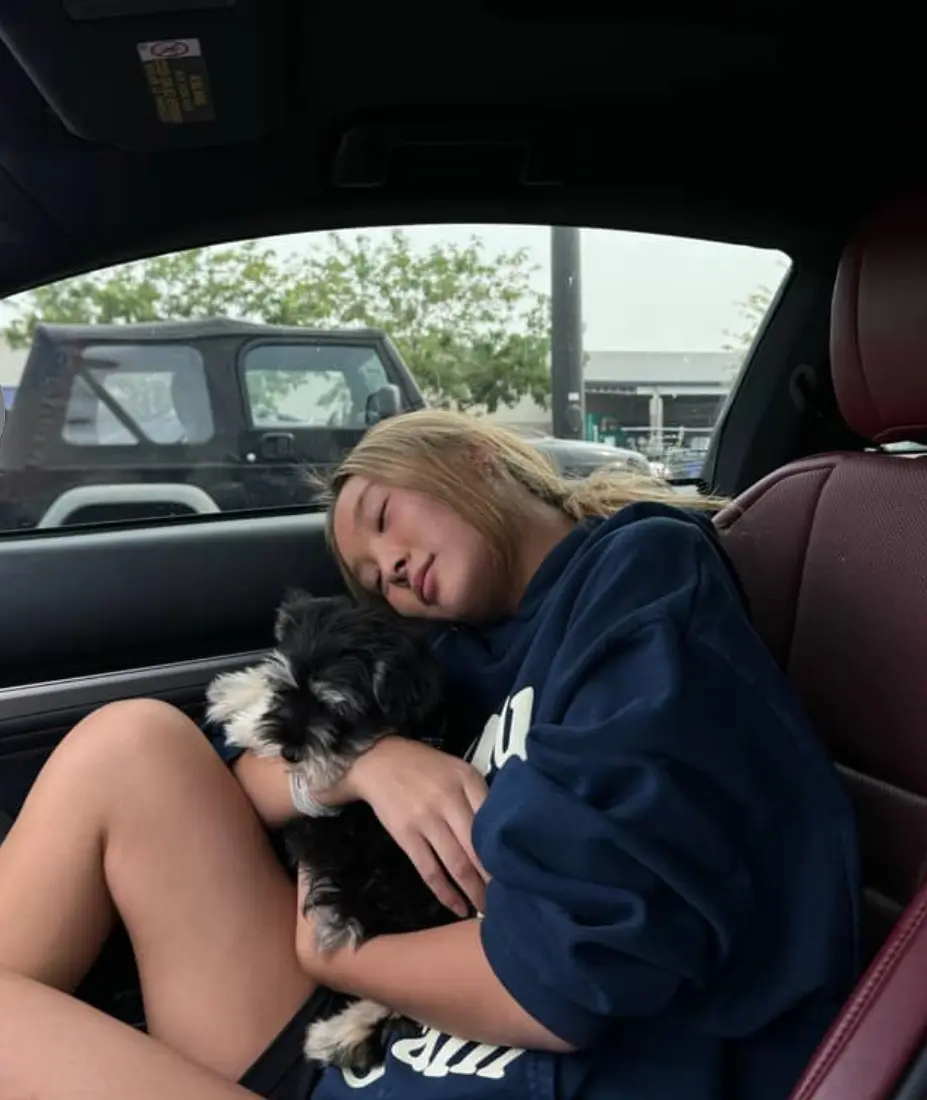
Henna provides recurring dog walks, drop-in visits, and patient senior routines in Bethany and Rock Creek. At home, she shares life with her miniature schnauzer, Nini.